The Importance of Engagement Rings in Today's Culture
Intro
Engagement rings have become an entrenched symbol of commitment in modern relationships. These intricate pieces of jewelry not only signify a promise but also carry deep cultural meaning and personal significance. As a result, understanding the nuances of engagement rings has never been more pertinent. In the age where choices abound, potential buyers face a myriad of decisions, from choosing gemstones to understanding the ethical implications of their selections.
Whether it’s about exploring the historical roots of these rings or diving into the modern trends that govern their choice today, every nuance speaks volumes about love, values, and societal norms. As we delve deeper, we will explore how these rings have evolved in function and form, shedding light on what makes each choice so personal.
Gemstone Overview
Definition and Origins
At its core, an engagement ring often features a gemstone designed to dazzle and embody connection. Historically, the most popular gemstone for engagement rings has been the diamond, attributed to its exceptional hardness and alluring sparkle. Yet, many other stones, like sapphires, rubies, and emeralds, have carved out their niche in contemporary choices. The roots of using gemstones date back thousands of years, with different cultures emphasizing various stones for unique properties or beliefs.
Historical Significance
The allure of gemstones in engagement rings can be traced back to ancient traditions. In Roman times, the practice of giving a ring as a symbol of engagement became widely accepted. These early rings were often made of iron, symbolizing strength and durability. Fast forward to the Renaissance, when diamonds began to grow in popularity among the elite classes, representing wealth and eternal love.
"The engagement ring is a reflection of personal intent and indicates one's commitment to love and cherish another for the long run."
As society evolved, so did the preferences for proper gemstones. The 19th century marked perhaps the most transformative period. With the discovery of extensive diamond mines, diamonds became more accessible, leading to aggressive marketing strategies like the famous "A Diamond is Forever" campaign from the 20th century, cementing the diamond's place in engagement traditions.
Gemstone Properties
Hardness and Durability
When choosing a gemstone for an engagement ring, one of the foremost considerations is its hardness. Measured on the Mohs scale, hardness indicates a stone's durability against scratches and wear. For instance:
- Diamond: Rated a 10, the hardest known natural material.
- Sapphire and Ruby: Both rated a 9, making them excellent alternatives to diamonds.
- Emerald: Despite its beauty, it's rated 7.5 to 8, which makes it less durable than the former options but still a popular choice due to its unique color.
Color and Clarity
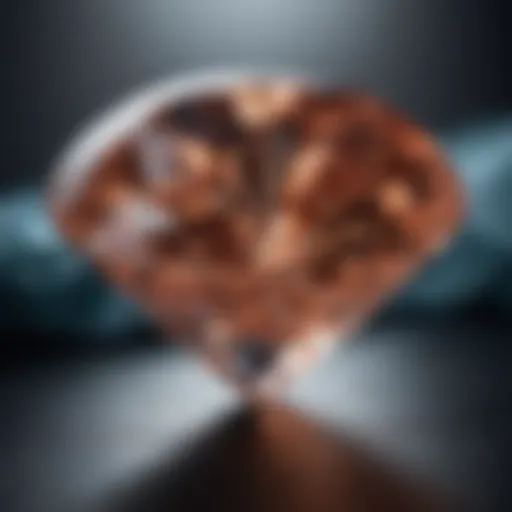
The vibrancy of a gemstone also plays a pivotal role. Colors can vary widely, creating diverse choices for the discerning buyer. While diamonds are often clear, they can also come in various hues, known as "fancy diamonds." Sapphires, on the other hand, are most recognized for their rich blue tones, but they can also appear in a spectrum of colors.
In terms of clarity, the fewer the inclusions, the higher the quality—typically measured on a scale from included to flawless. Clarity can dramatically affect not only the sparkle but also the value of a gemstone. Both these properties will often weigh heavily on one's decision-making process.
Historical Evolution of Engagement Rings
The journey of engagement rings is a tapestry woven with cultural threads and historical significance. Understanding the historical evolution of engagement rings provides valuable insights into their role in modern society. This exploration goes beyond mere adornment; it speaks volumes about societal structures, gender roles, and emotional expressions throughout the ages. The way engagement rings have evolved reflects shifting values and norms, making them a significant marker of cultural identity and personal intention.
Ancient Traditions
In ancient civilizations, engagement rings were not just symbols of love but also tokens of agreement between two families. For instance, in ancient Egypt, couples exchanged rings made from braided reeds and leather, signifying a bond that transcended mere romance. These rings often featured circular shapes, symbolizing eternity, as the circle has no beginning or end. The Romans took this idea further, introducing iron rings to represent strength and sincerity, a practice that has roots in modern customs. It was believed that these rings were worn on the fourth finger of the left hand, where a vein was thought to run directly to the heart—this concept continues to influence the way we view engagement rings today.
Medieval Perspectives
During the medieval period, the notion of engagement rings took on a more ritualistic character. It was customary for rings to be adorned with intricate designs and gemstones. The significance of these rings became more pronounced within the context of arranged marriages. Families would often negotiate exchangeable goods in place of dowries, and the engagement ring served as a visible mark of this agreement. The intricacies found in the ring designs often communicated wealth and social status—very much akin to how contemporary society links engagement rings to personal expression or financial means.
Victorian Era Influence
Moving into the Victorian era, engagement rings experienced an infusion of sentimentality and individual expression. This period was marked by a fascination with symbolism; therefore, rings began to incorporate meaningful stones like sapphires and diamonds. The phrase "a diamond is forever" can trace its roots to this era’s preference for more durable gemstones to symbolize lasting love. Queen Victoria herself popularized diamond engagement rings after her marriage to Prince Albert, setting a trend that spiraled out and became the norm for couples in future generations. The rise of sentiment-driven designs also paved the way for more personal choices in ring styles, steering societal views toward individual preferences.
The Modern Shift
Fast forward to the present, engagement rings today serve multiple roles: they are tokens of love, symbols of commitment, and often, pieces of art. The choices in design and gemstones have exploded with options ranging from ethically-sourced sapphires to lab-created diamonds. Modern couples frequently view the engagement ring as a reflection of personal taste rather than simply a status symbol. There’s a marked shift towards Customization as well, with couples willing to explore non-traditional styles that tell their unique story. Furthermore, the growing awareness about ethical sourcing has led many to choose conflict-free gemstones, underscoring a societal transformation that values not just the aesthetic or monetary aspects but also the ethical ramifications behind the purchase.
Understanding the historical evolution of engagement rings equips us with the crucial context needed to appreciate their significance in our lives. From a simple band exchanged in ancient times to a dazzling symbol of enduring love today, engagement rings are much more than accessories; they embody the multifaceted aspects of human connection and commitment.
Cultural Significance of Engagement Rings
Engagement rings have cemented their place as symbols of love and commitment in various cultures. Yet, their significance stretches beyond the mere act of adornment. They resonate with emotional weight and societal values that vary worldwide. An engagement ring carries not just romantic connotations but also intricate layers of cultural resonances that highlight its enduring relevance in modern society.
Global Rituals and Symbols
Across the globe, engagement rings embody rituals and customs unique to different cultures. For example, in Indian traditions, a mangalsutra is not merely a piece of jewelry; it represents marital vows and societal standing. Diamonds may reign supreme in Western cultures, symbolizing eternal love, yet in other regions, colored gemstones like rubies or sapphires might signify wealth and status.
- Cultural Variance: Rituals surrounding engagement rings often reflect societal structures. In certain African cultures, the giving of an engagement ring may be part of a larger rite involving family negotiations and promises. Meanwhile, in parts of East Asia, the practice might intertwine with family gifts that carry significant emotional value.
- Symbolic Meanings: For many, an engagement ring serves as a tangible reminder of a promise. The circle itself is viewed as an unending line, signifying eternity and commitment. Beyond mere aesthetics, the gem’s color and type also convey deeper meanings, with specific stones representing love, prosperity, or fidelity.
This diversity of symbols enriches the cultural fabric and serves as a reminder that engagement rings can mean vastly different things in distinct contexts, enriching their significance in a global marketplace.
Changing Gender Norms
As society evolves, so do the understandings of engagement rings in terms of gender roles. Traditionally, engagement rings have been predominantly worn by women. However, the landscape is shifting. Increasingly, men are embracing engagement rings, challenging outdated norms and paving the way for a more inclusive view of commitment. Today, it's not unusual to see both partners sporting matching bands, a sign of equality in relationships.
- Inclusivity in Design: Designers are embracing this shift by creating unisex rings that appeal to a broader audience. Rose gold and alternative gemstones are becoming popular choices, enabling couples to express their unique styles beyond conventional expectations.
- Cultural Commentary: This trend reflects broader societal changes, as couples seek to define their relationships and commitments in their own terms rather than adhering strictly to tradition. It’s a move towards a more personalized and egalitarian approach to love and partnerships.
First Impressions and Societal Expectations
The first glance at an engagement ring often sets the stage for societal expectations. The ring can serve as a powerful status symbol, conveying wealth and taste. A stunning piece can spark conversation and admiration in social settings—often leading to assumptions about the couple’s relationship dynamics.
- Judgments and Perceptions: Society still harbors preconceived notions about what an engagement ring should look like. Many believe that the size of the diamond or the intricacy of the design dictates the couple's love or commitment level, placing undue pressure on individuals to conform.
- Expectations on Quality: In some circles, there are unspoken rules about the amount spent on an engagement ring—often quantified as equal to two to three months' salary. These constructed benchmarks can lead to stress and anxiety for many who feel obligated to meet them, revealing how engagement rings can reflect societal pressures rather than personal preferences.
In essence, the cultural significance of engagement rings is a multifaceted diamond in its own right. Their role transcends mere jewelry; they encapsulate emotional ties, cultural narratives, and evolving societal norms—all underscoring the complexity of modern engagements.
Choosing the Perfect Engagement Ring
Choosing an engagement ring is a pivotal moment, not just a transaction. It embodies the values, emotions, and aspirations of the couple involved. When selecting an engagement ring, the act transcends the tangible; it becomes a declaration of commitment, an investment in the future, and an expression of individual personalities. Understanding what aspects to consider helps ensure the chosen ring resonates deeply with both partners. Here are key elements:
- Emotional Connection: The ring should reflect the shared values and journey of the couple.
- Lifestyle Compatibility: The ring should suit one's daily life, taking into account work and personal activities.
- Longevity: A timeless design often holds greater significance and works well through the years, making it a cherished possession.
Understanding Personal Preferences
In the realm of engagement rings, personal preference plays a vital role. The ring should be a fitting reflection of the wearer's style, tastes, and even their way of life. It’s essential to engage in open discussions about preferences to help the ring personify their personality. Here are some points to consider:
- Metal Choices: White gold, yellow gold, rose gold, and platinum each have different appeals. Think about what works best for the individual.
- Style Trends: Does the person favor vintage or modern aesthetics? Knowing this can refine selections.
By paying attention to individual likes and dislikes, partners can ensure the ring they choose resonates on both an emotional and stylistic level.
The Role of Gemstones
When it comes to engagement rings, gemstones play a central role. While diamonds traditionally dominate the market, diverse selections offer remarkable alternatives that can also carry unique sentiments.
Traditional Choices
Diamonds have a longstanding reputation as the quintessential gemstone for engagement rings. Their unrivaled hardness and brilliance symbolize endurance and clarity in love. The major advantage lies in their universal appeal, making them a classic choice for many. However, not without downsides, diamonds can come with hefty price tags, potentially overshadowing individual preference with societal standards.
- Key Characteristic: Exceptional durability and traditional esteem.
- Unique Feature: A diamond's fire and scintillation capture light beautifully. However, this might not suit everyone’s taste.
Emerging Trends
Beyond diamonds, emerging trends showcase a surge in the popularity of alternative gemstones such as sapphires, emeralds, and morganite. These stones often forge more personal connections due to their unique colors and meanings. As couples increasingly seek individuality, these gemstones provide a refreshing change from the norm.
- Key Characteristic: Variety of colors and meanings, appealing to emotional narratives.
- Unique Feature: Each stone brings its distinct charm, sometimes at lower costs than traditional diamonds, but potential durability issues require consideration.
Color and Fusion
Color and fusion are becoming significant trends in the gemstone market. Creating custom rings with infused gemstones allows couples to express their uniqueness in style. Blending different materials can yield stunning visuals that stand out from conventional designs. This trend offers an opportunity for creativity while maintaining personal connections.
- Key Characteristic: Diverse color combinations enhance individuality.
- Unique Feature: Ability to mix stones opens the door to bespoke designs that resonate more closely with personal stories, while care should be taken to balance aesthetics and structural integrity.
Choosing an engagement ring is not just about a beautiful piece of jewelry; it’s about creating a lasting symbol of love that fits the unique story of the couple.
Gemstone Considerations for Engagement Rings
When embarking on the journey of selecting an engagement ring, one finds that the gemstone is perhaps the most crucial element in the overall aesthetic and personal significance of the piece. The choice of gemstone can reflect individual style, personality, and even ethical values. In particular, the characteristics of durability, brilliance, and rarity are fundamental considerations that require thorough understanding prior to making a purchase.
Diamonds: The Classic Choice
Diamonds have long been regarded as the quintessential choice for engagement rings. Their hardness and clarity contribute to their enduring appeal. Spanning a variety of cuts, from the classic round to the modern princess cut, diamonds offer a spectral array of options for the discerning buyer.
What makes diamonds particularly appealing is their symbolic representation of strength and unbreakable love. The old adage, "diamonds are forever," sells the notion that a diamond engagement ring is not only a piece of jewelry but also a lifelong commitment captured in glimmer. Furthermore, the market for diamonds is vast, with numerous sellers and immense price variations, making them both accessible and exquisite possibilities.
Alternative Gemstones
Embracing alternative gemstones can add uniqueness to an engagement ring. As tastes evolve, some individuals now favor these alternatives for their beauty, scarcity, and significance.
Sapphires
Sapphires stand out as a striking choice within the realm of alternatives. With their rich hues, sapphire engagement rings can act as a canvas for personal expression. Historically, blue sapphires symbolize loyalty and nobility; thus, many couples gravitate towards them for their engagements. One unique feature is the stone's clarity, often blemish-free. However, in contrast to diamonds, sapphires can be softer, meaning they may require extra care to maintain their luster.
Their benfits extend beyond aesthetics; sapphires often come at a lower price point than diamonds, making them appealing for budget-conscious buyers.
Emeralds
Emeralds, with their lush green color, offer an aura of enchantment. Known as the gem of rebirth and love, they symbolize the nurturing aspect of relationships. A peculiar characteristic of emeralds is their inclusions, which can often add to their charm rather than detract from it. This can lead to a more affordable price compared to similarly vibrant gemstones. However, emeralds can be more prone to chipping, so buyers should handle them with care.
For couples who appreciate color, emeralds may evoke a deeper emotional connection, representing the rich memories shared together. They are a great choice for a unique engagement ring, reflecting an untraditional take on commitment.
Moissanite
Moissanite has quickly gained traction as a substitute for diamonds, thanks to its striking fire and brilliance. Remarkably durable, it's an effective option for those who lead an active lifestyle. Its remarkable refractive index allows it to reflect more light than diamonds, making it appear even more dazzling. Buyers may find that moissanite is often much more affordable than diamonds, providing value without sacrificing attractiveness.
However, moissanite does evoke mixed feelings among gem enthusiasts; while some appreciate its sustainability—having been created in laboratories—others argue that it doesn't carry the same historical gravitas as natural stones. Still, its lower price coupled with its visual allure has made it a rising star in the jewelry market.
"A ring is not just a piece of metal encasing a gem; it's a promise that echoes through time."
For further information, you can explore these links: Wikipedia on Diamonds, Britannica on Sapphires, Gemstone Forum on Reddit.
Ethical Sourcing of Gemstones
In today's world, the discussion surrounding the ethical sourcing of gemstones has grown immensely significant, especially for those choosing engagement rings. It’s about more than just aesthetics; it represents values and preferences that resonate with many buyers. An engagement ring symbolizes commitment, and when that promise is accompanied by a clear conscience regarding the stone’s origins, it adds a greater depth to its meaning. This pursuit emphasizes transparency, social justice, and environmental sustainability, setting the stage for informed decisions when selecting that perfect ring.
Understanding Conflict-Free Options
The term "conflict-free" is not just a buzzword—it signifies a commitment to ethical practices in the gemstone industry. Conflict diamonds, often called “blood diamonds,” are mined in war zones and sold to finance armed conflict against governments. Opting for conflict-free options supports communities and upholds human rights.
In practice, buyers should look for certifications from organizations like the Responsible Jewelry Council or the Kimberley Process. These entities work to ensure that stones are etched with ethical considerations, ensuring they don't carry any burdensome histories. More and more jewelers are also providing provenance documentation, making it easier for consumers to verify the origins of their gemstones. This trend not only fosters confidence but encourages responsible sourcing on a larger scale, enhancing the circle of trust amongst all stakeholders.
Sustainable Mining Practices
Beyond just avoiding conflict, sustainable mining practices represent an essential conversation in today’s market. These practices emphasize minimizing environmental impact, rehabilitating land after mining has occurred, and ensuring fair wages for miners.
Involving local communities in mining operations proves to be a vital part of sustainability. When these communities are empowered, they can impart a vested interest in the land and its resources. The notion is simple: if the people benefit from the land's resources, they are more likely to preserve it for future generations. People may not be aware, but many jewelers are actively pursuing eco-friendly sourcing options. For instance, some companies focus on lab-grown diamonds or gemstones, which require fewer natural resources and create significantly less environmental damage compared to traditional mining methods.
This shift in practices does not only reflect current trends but solidifies a foundational commitment to social responsibility within the industry.
As consumers become more discerning, the dual focus on ethical sourcing and sustainable practices solidifies engagement rings as not merely stones of beauty but emblems of deeper ethical considerations. This dialogue continues to evolve, and the stories behind these gemstones shape both consumer behavior and industry standards in notable ways.
The Customization Process
Engagement rings are more than mere jewelry; they are an emblem of a profound commitment. The process of customizing an engagement ring allows couples to express their personality and story uniquely. Whether it’s about choosing a design that reflects shared experiences or opting for materials that narrate a tale of their love, customization transforms a ring into something truly special. This section discusses why the customization process is critical and how it benefits couples in their journey toward matrimony.
Selecting a Design
When sinking into the world of engagement rings, design selection stands tall as a foundational step. Couples must ponder over countless design elements, from the type of band to the arrangement of gemstones. One might think about classic solitaires or something more intricate, like a halo setting that makes a stone appear larger. Each choice is laden with significance.
Considerations when selecting a design:
- Personal Style: Does the couple lean towards modern and sleek or vintage and ornate? It’s essential to match the ring with their tastes.
- Lifestyle Factors: An active individual may prefer a lower-profile setting, minimizing the risk of snagging in daily activities.
- Symbolic Meaning: Some may choose designs that hold symbolic value; for instance, incorporating elements from their first date or a shared hobby.
Ultimately, selecting a design is like painting a portrait of a relationship, blending colors of personal significance into a masterpiece.
Choosing the Right Jeweler
Finding the perfect jeweler is akin to selecting the right co-authors for your story: they will weave together your vision with their expertise. The jeweler should not only possess the technical skills to craft the ring but also understand the emotional resonance it holds.
Key factors to consider when choosing a jeweler:
- Reputation: Read reviews on platforms like Reddit or Yelp. A jeweler with a positive track record in customer service and quality can make a world of difference.
- Experience with Customization: Some jewelers might specialize in bespoke services, able to turn concepts into reality rather seamlessly.
- Transparency in Processes: A jeweler should be open about sourcing materials, allowing couples to ensure that their choices align with ethical standards.
Before settling on a jeweler, it’s advisable to converse openly about expectations, timelines, and the extent of involvement desired in the process. Building this rapport ensures a shared understanding, paving the way for a smoother customization journey.
"A ring can be a reflection of who you are together, shaped by the hands that craft it."
Finale
The customization process is both a creative and collaborative venture that speaks to the heart of engagement. Through careful consideration in design and a thoughtful choice of jeweler, couples elevate their engagement ring from an object to a lasting legacy of love and commitment. Each ring serves as a reminder of shared dreams and a bright future ahead, making it essential for couples to invest time and thought into this personalized journey.
Caring for Engagement Rings
Engagement rings hold not only monetary value but emotional significance as well. Caring for these cherished pieces is crucial, as they symbolize love and commitment. Proper care keeps them looking splendid and ensures their longevity. It reflects respect towards the craftsmanship and the memories associated with the ring.
Daily Maintenance Tips
Engagement rings can endure wear from daily activities, so a bit of upkeep goes a long way. Here’s how to keep them shining bright:
- Wash Regularly: Clean your ring with warm, soapy water and a soft toothbrush. Make sure to scrub under the stone where dust and oils can accumulate.
- Remove During Activities: Take off your ring while cooking, exercising, or engaging in gardening. Contact with chemicals or dirt can dull its shine.
- Check Settings and Stones: Look for any loose stones or wear in the bands. If the stone feels off, it could be moving in its setting, which can lead to loss.
Taking these small steps daily will save you from larger issues down the road.
When to Seek Professional Cleaning
While daily maintenance helps, there comes a time when a professional touch is necessary. Here are scenarios where it's best to consult a jeweler:
- Every Six Months: Getting your ring professionally cleaned and inspected at least twice a year is ideal. Jewellers have tools to clean sparkling details you might overlook.
- Noticeable Blemishes: If your ring has lost its luster or looks particularly dirty after your cleaning attempts, don’t hesitate to seek help.
- Before Significant Events: If you have an event coming up—like an anniversary or family gathering—arrange for a cleaning beforehand so the ring can shine its brightest.
In sum, keeping your engagement ring well-cared-for is essential to safeguarding its beauty and value while also upholding the sentiment it represents. Prioritizing its maintenance is not just about physical care; it's about nurturing the love it symbolizes.
Storing Engagement Rings Properly
Storing an engagement ring properly is pivotal to ensuring its longevity and brilliance. These pieces often hold immense sentimental value, representing a deep commitment shared between two people. To maintain their beauty and integrity, a few guidelines should be followed.
Avoiding Damage
Engagement rings, whether adorned with glittering diamonds or vibrant alternative gemstones, are not just simple accessories; they are cherished symbols. An improperly stored ring can be prone to scratches, chips, and even loss. Here are some essential tips:
- Separate Storage: Always store the ring separately from other jewelry. This helps prevent it from scratching or being scratched by other pieces. A soft pouch or a dedicated compartment in a jewelry box can work wonders.
- Avoid Extremes: Rings should not be exposed to extreme temperatures or excessive humidity. Such conditions can degrade certain materials and contribute to wear over time. Ideally, keep the ring in a stable environment, away from direct sunlight and dampness.
- Consider a Soft Lining: If you're using a hard box, ensure it has a soft lining. This additional layer provides a cushion, preventing impacts that could lead to damage.
- Check for Loose Stones: Before storing your ring for a long period, check if any stones are loose. A little precaution can save you from potential heartbreak.
A stitch in time saves nine; periodic checks will keep your ring fabulous long term.
Long-Term Storage Solutions
When it comes to long-term storage, thinking ahead is essential. Whether due to a season change or lifestyle adjustment, some may find themselves needing to store their engagement ring for an extended period. Here are a few best practices:
- Use a Ring Box: Invest in a quality ring box—preferably one that’s cushioned and designed to fit your specific ring style. This will not only protect it but also reduce dust accumulation.
- Wrap in a Soft Cloth: If a box isn’t available, wrap the ring in a soft, lint-free cloth before placing it in a secure location. This will shield it from scratches while keeping it clean.
- Climate-Controlled Environment: Consider using a safety deposit box if keeping the ring in your home isn't feasible. These boxes are typically climate-controlled, ensuring the ring remains safe from environmental factors.
- Regular Checks: Even in storage, make it a habit to check your ring periodically. This ensures that no surprise damage occurs and gives you the peace of mind that your prized possession is well cared for.
Ultimately, the way you store an engagement ring can dramatically affect its condition and appearance over time. By adopting thoughtful practices and understanding the significance behind this cherished piece, you not only preserve its physical attributes but also honor the love and commitment it represents.
The Symbolism of Engagement Rings
Engagement rings hold a weight that goes beyond mere adornment. Their significance lies in the profound emotional narratives they encapsulate. They serve as a beacon of commitment and love, offering a visual representation of deep bonds between partners. Unlike any other piece of jewelry, an engagement ring symbolizes promises made and futures envisioned together.
Commitment and Love
At its core, the engagement ring is a declaration of intent. When one partner slips a ring onto the finger of another, it is more than a simple gesture. It expresses a vow, an unspoken promise that the relationship will evolve into a lifelong commitment. Just as people cherish their wedding day, the engagement period is a significant phase where both partners share dreams and hopes about their future.
This tradition is deeply implanted in cultures worldwide. For instance, some might say that exchanging rings harkens back to the ancient beliefs that circles are symbols of eternity—no beginning, no end. It's a promise that what you are building together is indefinitely precious. The ring often becomes a family heirloom, passed through generations, further embedding its importance in family history.
When considering the type of ring to choose, personal stories often influence decisions. Some couples opt for diamonds, following the prevalent "four Cs" of diamond evaluation—cut, clarity, color, and carat weight—to ensure quality and desirability. However, alternative choices can also be meaningful. For example, a sapphire might symbolize wisdom and loyalty, while an emerald could represent growth and rebirth.
Status and Wealth
While at the heart of engagement rings is the notion of love, the societal implications can be complex as well. An engagement ring can serve as an indicator of status and wealth. In modern society, many see these rings as both a luxury item and a romantic gift. Generally, the value often correlates with what one can spend, leading to expectations and norms surrounding the minimum amount a person should invest in a ring.
"In the world of engagement rings, not all that glitters is gold; sometimes, it’s just about the story behind it."
Nevertheless, these expectations can be simultaneously liberating and restrictive. On one hand, they establish a standard that many couples conform to; on the other, the pressure can weigh heavily on those who may not have the means to purchase a traditional or extravagant ring.
Ultimately, what rings communicate to the outside world—be it about taste, financial status, or level of commitment—varies from person to person. A customized engagement ring crafted from ethical sources, for example, can symbolize not only romantic commitment but also social consciousness. Couples are increasingly looking to showcase their values, making sustainability and ethical considerations as important as the ring’s aesthetic.
Trends in Engagement Rings
Engagement rings are more than just beautiful pieces of jewelry; they represent significant milestones in people’s lives, capturing love stories in their unique designs. This section explores the current trends shaping engagement rings today, highlighting how these styles reflect personal values and societal shifts.
Minimalist Styles
In an age where simplicity is celebrated, minimalist engagement rings have taken center stage. These rings often feature clean lines, understated designs, and a focus on single stones that speak volumes without excessive ornamentation. The beauty of a minimalist ring lies in its thoughtful elegance, allowing each detail to be appreciated without distraction.
Many couples are leaning towards these designs for several reasons:
- Simplicity in Significance: A minimalist ring often resonates deeper with those who value authenticity over extravagance.
- Versatility: Such designs can blend seamlessly with everyday wear, making them ideal for modern lifestyles.
- Sustainable Choice: Minimalism also appeals to eco-conscious buyers, as simpler designs often require fewer materials.
A popular choice within this trend is the solitaire, where a single diamond stands proudly in its setting, or the use of innovative materials like recycled metals. Natural gemstones, such as diamonds or sapphires, can shine brilliantly in a minimalist context, enhancing both their beauty and ethical appeal.
Vintage and Heirloom Reimagining
Another notable trend resurfaces: the charm of vintage and heirloom engagement rings. Many couples are increasingly drawn to rings with history, opting for those that evoke romantic nostalgia and personal significance. This trend not only honors the past but also allows for unique stories to be shared through the selection of the ring.
Vintage engagement rings often come from eras like Art Deco or Edwardian, characterized by intricate designs and unique shapes. They offer a kind of craftsmanship that modern styles sometimes lack. When couples choose to incorporate heirloom pieces, they’re making a symbolic gesture towards family values and history.
Some key points influencing this trend include:
- Uniqueness: Vintage rings offer designs not found in today’s jewelry stores, making each piece special.
- Sustainability: By choosing heirloom rings or vintage styles, couples embrace sustainable practices, reusing and recycling materials that already exist.
- Personal Connection: A family heirloom represents bonds across generations, offering a tangible connection to loved ones.
As these styles become more prevalent, they encourage couples to think beyond cookie-cutter designs and explore options that tell their unique story. Ultimately, people are recognizing that engagement rings should not only symbolize love but also reflect a deeper understanding of heritage and identity.
"In a world overflowing with choices, going that extra mile for a unique story can transform the simple act of giving a ring into a cherished tradition."
Whether minimalist or vintage, the compelling trends in engagement rings today show a movement toward personalization and meaning, allowing couples to select rings that truly resonate with their relationship and values.
Psychological Aspects of Giving and Receiving Rings
Engagement rings are more than just pieces of jewelry; they represent deep emotional connections and significant milestones in relationships. The psychological impact of giving and receiving these rings can be profound, as it often intertwines with personal identity, societal expectations, and the couple's shared narrative. Understanding the psychological aspects helps to appreciate their role in modern society and the lasting impressions they leave on individuals and relationships alike.
The Role of Anticipation
Anticipation is a powerful emotion and crucial component in the engagement process. For many, the lead-up to the proposal imbues a sense of excitement that can be exhilarating. The thoughts of choosing a ring and planning the perfect moment are often a blend of joy and nervousness. This anticipation builds a narrative that colors the entire experience, making it one that is not only memorable but deeply embedded in the couple's history.


- Emotional Build-Up: The wait can create heightened emotions, giving the person proposing an opportunity to reflect on their relationship, goals, and future together. This isn't solely about the ring; it's about creating a moment to cherish forever.
- Shared Secrets: There may be elements of surprise as well. The element of secrecy in the planning process fosters connection, enhancing intimacy. Planning a proposal that involves friends, family, or special locations adds layers to the engagement experience.
- Expectation Management: Conversely, the build-up might also lead to anxiety regarding how the proposal will be received. Individuals often weigh societal standards and personal preferences as they navigate what these symbols of commitment should signify.
The anticipation doesn't stop once the proposal occurs; the feeling reverberates through the milestones that follow—announcements, gatherings, and the eventual wedding day itself. Each phase carries weight, which can amplify joy but also elicit stress.
Impact on Relationships
The dynamics of relationships can shift significantly post-engagement, largely influenced by the emotional undertones of receiving an engagement ring. The act of giving and receiving these rings serves as a symbolic gesture, affirming commitment and love within the union. Here’s how they can influence relationships:
- Strengthening Bonds: The act of gifting an engagement ring can solidify the bond between partners. It symbolizes an unspoken promise of fidelity and companionship, reinforcing the emotional connection.
- Expectations of Commitment: With the engagement ring comes the idea of shared futures and responsibilities. This new level of commitment can empower couples, but it might also create pressure, as expectations evolve with this identification as fiancés.
- Conflict Potential: While many will find joy in their engagement, some may experience tension stemming from differing aesthetic preferences or pressures to conform to societal norms regarding the spending on jewelry or the style of ring. Such challenges necessitate open communication and understanding.
"A ring is not merely a token; it encapsulates emotions, hopes, and the promise of a shared journey."
All these dimensions of engagement rings affect how relationships evolve post-proposal. Couples might experience an enhancement in trust and intimacy, but they can also find themselves navigating new terrains of expectations and pressures. Understanding these psychological aspects can lead to greater awareness and healthier dynamics as partners move towards marriage.
Buying Engagement Rings: Practical Tips
Navigating the world of engagement rings can feel like walking through a labyrinth. From different styles to gemstones and budget considerations, a million details amount to one single question: How do you find the perfect engagement ring? It starts with practical tips that not only guide you through the buying process but also ensure that the ring you choose aligns with both your needs and your intended message.
Setting a Budget
Setting a budget is undoubtedly one of the most critical aspects to consider when buying an engagement ring. A clear financial plan helps you focus on what matters most—the emotional significance of the ring rather than just the price tag attached.
Typically, many people say to spend two to three months' salary on an engagement ring, but this guideline is less about rules and more about finding what’s right for you. Here are some essential things to consider when setting your budget:
- Personal Finances: Understand your financial condition. Are you in a secure place where you can comfortably afford a luxurious ring, or would it put you in a financial bind?
- Future Planning: Remember to consider other upcoming expenses. A wedding, buying a house, or starting a family may all impact how much you're willing to set aside for an engagement ring.
- Hidden Costs: Don’t forget additional expenses that can catch you off guard. Think about the costs for resizing, insurance, or even special customization.
In the end, it's all about what feels comfortable and sustainable for your situation.
Researching Sellers
Once you've established a budget, the next step is finding the right seller—a process that is critical to ensure you are not only getting quality but also a good deal. Here's how you can successfully research sellers:
- Trusted Referrals: Start by asking friends, family, or coworkers about their experiences. Word of mouth can lead you to reputable jewelers that have consistently provided quality.
- Online Reviews: Websites like Yelp or Google Reviews can provide a goldmine of information on customer experiences. Look for patterns—are there consistent praises or complaints?
- Certification and Transparency: Make sure the jeweler provides certifications for their gemstones, especially if you're considering diamonds. Certificates from recognized institutions like the Gemological Institute of America (GIA) or the American Gem Society (AGS) ensure you’re buying quality.
- Compare Prices: Don't settle for the first price tag you see. Take the time to compare various sellers to ensure you’re getting a fair deal.
- Visit in Person: While online shopping is convenient, visiting local jewelers can make a difference. You'll get a feel for the rings, the staff, and the overall environment, which could help in your final decision.
"Research is the backbone of making an informed purchase; knowing what to look for can be the difference between a great deal and an oversized regret."
Taking time to methodically consider both your budget and the reputable sellers will position you well on the journey to finding a ring that embodies commitment and love, a tangible symbol of your unique story.
Insurance for Engagement Rings
Engagement rings hold immense monetary and emotional value. Their significance often goes beyond mere aesthetics or material worth; they represent commitment, love, and the promise of a future. However, like any valuable asset, they require proactive measures to safeguard them from unforseen circumstances. This is where insurance becomes crucial.
Evaluating Value
Understanding the value of an engagement ring isn’t just about its price tag; it’s about recognizing various elements that contribute to its worth. Each ring is unique, comprised of specific gemstones, settings, and craftsmanship, all of which can fluctuate in market value.
- Gemstone Quality: The 4 Cs—carat, cut, clarity, and color—help define a diamond’s or gemstone's value. For example, a 1-carat diamond with high clarity and excellent cut will likely appraise much higher than a larger stone with poor qualities.
- Metal Type: The ring's band, whether made of platinum, gold, or rose gold, also plays a role. Platinum is generally more expensive than gold, impacting the overall value.
- Artisan Craftsmanship: Custom designs or pieces crafted by renowned jewelers might carry higher values due to the brand’s prestige and artistry.
- Market Trends: Just like any piece of jewelry, market demand can shift. Popular styles or specific gemstones may see their values fluctuate, making it important to periodically assess a ring's worth.
Staying abreast of these factors not only ensures an accurate reflection of the ring’s value for insurance purposes but also safeguards an investment that might be vulnerable to theft, loss, or damage.
Choosing Coverage Options
Once you have a solid understanding of the ring’s value, the next step is determining how to protect it through appropriate coverage. Not all insurance policies are created equal, so it's wise to explore various options to find what best suits your needs. Here are some key considerations:
- Specialized Jewelry Insurance: Many companies offer policies specifically tailored for jewelry. These often cover loss, theft, and damage, providing comprehensive protection.
- Homeowner's or Renter's Insurance: Some might think their existing insurance might suffice. While such policies can cover jewelry, they often have lower coverage limits and higher deductibles. Make sure to investigate how much protection is provided for personal belongings, including jewelry.
- Scheduled Coverage: This allows for specific items to be appraised and insured at their full value. By scheduling the engagement ring, you ensure that it is identified separately and covered accurately, accounting for fluctuations in value.
- Document Everything: Acquire detailed appraisals, purchase receipts, and photographs of the ring. Having substantial documentation will help if you need to file a claim and guarantee that you receive fair compensation.
"Investing in insurance for your engagement ring is akin to safeguarding a love story; it protects not only an object of beauty but also the memories, emotions, and promises it encapsulates."
Ultimately, having insurance is a prudent step in ensuring the longevity of an engagement ring. It’s not just about protecting a piece of jewelry; it’s about defending a commitment that holds great personal significance. Ensuring that both the emotional and financial aspects of this cherished symbol are well protected is a wise investment.
Milestones and Engagement Rings
In the context of engagement rings, milestones represent pivotal moments that shape a couple's journey together. They are more than just markers in time; they serve as tangible affirmations of unity, love, and commitment. Whether it’s a couple's first anniversary or the birth of their first child, engagement rings take on special significance in celebrating these life events.
Anniversaries and Upgrades
Anniversaries can be like turning pages in a book, each chapter holding a unique tale. The tradition of upgrading an engagement ring on milestones such as the anniversary of the wedding is increasingly becoming popular. With each year, couples often look back on their journeys and consider how they have grown. This reflection leads some to desire a new setting or a more brilliant gem to symbolize their evolving relationship. An upgrade might involve choosing larger diamonds or switching to stones with deeper hues, capturing both the couple's appreciation of the past and their excitement for the future.
Here are a few reasons why upgrading is significant:
- Symbolic Representation: An updated ring can reflect the deeper connection that has matured over time.
- Incorporation of Family History: Couples may wish to incorporate heirloom stones into their upgrade, adding familial ties to their present.
- Fashion and Trends: New styles may arise, encouraging couples to select modern designs that resonate with their current lifestyle.
Yet, it’s crucial to approach upgrades with consideration. Not every couple might feel comfortable taking this step, as some may prefer the sentimental value of the original ring. Each journey is unique, and there’s no definitive path to follow.
Symbolizing Significant Life Events
Engagement rings often serve as symbols during various significant life events beyond engagements or anniversaries. These rings can represent transitions such as purchasing a house, celebrating a child’s birth, or overcoming challenges together. It is not uncommon for couples to choose to commemorate such events with additional rings or modifications to their existing ring.
For instance, a couple might add smaller bands representing each child to the original engagement ring, creating a meaningful and visual representation of their growing family. This practice reinforces the idea that the ring metamorphoses over time, akin to the relationship it symbolizes.
Moreover, the concept of giving or upgrading rings during significant life events highlights the flexibility and adaptability of love. Just as life changes, so too can the significant symbols that represent it. This adaptability is part of why engagement rings maintain their relevance across generations.
"Engagement rings are not just pieces of jewelry; they are cherished tokens that keep memories alive and signify the journey a couple embarks on together."
Closure: The Enduring Nature of Engagement Rings
Engagement rings hold a unique place in modern society, interweaving tradition and contemporary values. As symbols of commitment that transcend mere jewelry, these rings embody emotions, promises, and societal expectations. The significance behind engagement rings illustrates that they are much more than just ornamental accessories. Their enduring nature is shaped by various factors, including cultural norms, personal values, and evolving trends.
Reflections on Tradition and Modernity
The juxtaposition of tradition and modernity in engagement rings showcases how deeply rooted values adapt over time. Historically, an engagement ring served as a statement of intention, marking alliances or family ties, depending on one's cultural lens. Presently, while many still view these rings as tokens of love and devotion, the conversation has expanded. For instance, individuals are seeking more personalized designs that reflect their tastes, values, and unique stories. The initial expectations surrounding the size and visual appearance of the ring have also begun to shift toward a focus on sentimental significance.
A rising trend includes the incorporation of non-traditional gemstones such as sapphires and opals, highlighting a desire for uniqueness and self-expression. This not only emphasizes individuality but also challenges long-held ideas about what an engagement ring ‘should’ be.
Moreover, the intersection of technology and jewelry making is changing how we view engagement rings, with custom designs becoming more accessible. Jewelers nowadays use 3D printing and online platforms, enabling couples to collaborate directly on ring designs that are deeply personal, catering to both tradition and individual stories.
The Future of Engagement Ring Trends
Looking ahead, the landscape of engagement rings is likely to keep evolving. Factors such as sustainable practices are becoming increasingly important for conscientious consumers. The future rings might not only be beautiful but also eco-friendly, employing lab-grown diamonds or ethically sourced materials.
Additionally, the decline of the one-size-fits-all concept is paving the way for rings that cater to diverse cultural backgrounds and personal beliefs. The rise of gender-neutral options in jewelry suggests that society is embracing more fluid definitions of engagement and partnership.
Customization is set to be a hallmark of future trends. Couples may opt for personalized engravings, varying textures, and unusual band choices that echo their unique journeys together. This commitment to individuality strengthens the emotional connection to the ring itself.
The significance of engagement rings, therefore, lies in their ability to bridge generations and cultural contexts while adapting to modern meanings. As the foundations of relationships evolve, so too does the symbolism of the engagement ring, propelling it forward into future generations, synonymous with love, commitment, and individuality.
"The beauty of engagement rings lies not only in the gemstones but in the stories they carry and the love they represent."
In summary, the engagement ring endures as a powerful emblem in both personal and societal narratives, reflecting an intricate tapestry of tradition entwined with modern values.